Home > Our Services > Chimney Liner Installation
CHIMNEY LINER REPLACEMENT
Chimney liner replacement improves safety, enhances ventilation, and protects your chimney from heat damage and corrosion. A properly sized and installed liner improves draft, prevents smoke leakage, reduces fire hazards, and supports efficient operation of fireplaces and heating appliances.
EXCELLENTTrustindex verifies that the original source of the review is Google. We had our chimney liner replaced by Ultimate Chimney Services, and they did an excellent job. The team was professional, explained the process clearly, and finished everything on time. Highly recommend!Trustindex verifies that the original source of the review is Google. Had our chimney cleaned and the service was great. The tech was friendly, worked quickly, and left no mess behind. The fireplace is ready to use again -highly recommendTrustindex verifies that the original source of the review is Google. We had a chimney inspection done, and they were very thorough. They checked everything carefully and let us know it was all in good shape. Honest and professional—gave us peace of mind.Trustindex verifies that the original source of the review is Google. We needed some brickwork repaired on our chimney, and the job was done perfectly. The tech was careful, detailed, and made the chimney look like new again. Very satisfied with the work!Trustindex verifies that the original source of the review is Google. Had our chimney liner replaced and couldn’t be happier with the results. The team showed up on time, explained what needed to be done, and handled everything with care. Great service from start to finish!Trustindex verifies that the original source of the review is Google. Ultimate Chimney Services replaced our chimney cap, and we’re really happy with the work. The tech was on time, explained everything, and made sure it was sealed properly. Great service!Trustindex verifies that the original source of the review is Google. David did a great job! He was super friendly and knew exactly what to do. Ultimate Chimney Services made the whole process easy and stress-free.Trustindex verifies that the original source of the review is Google. We had a great experience with Ultimate Chimney Services. Michael was the tech who helped us—he was very polite, explained everything, and did a great job.Trustindex verifies that the original source of the review is Google. Amazing Johnny and his crew arrive on time as rescheduled and they did fantastic and clean job. I recommend!Trustindex verifies that the original source of the review is Google. Really great and professional service, and the price was totally fair will definitely use this service again.
Chimney Liner Installation
Chimney liner installation is essential for protecting the interior of your chimney, improving ventilation, and ensuring safe operation of fireplaces, wood stoves, and heating appliances. A quality liner prevents heat transfer to surrounding materials, reduces the risk of chimney fires, and helps direct smoke and gases safely out of the home. Over time, old liners can crack, deteriorate, or become unsafe, making a new chimney liner installation critical for maintaining efficiency and safety. Just like any major ventilation component, your chimney liner needs to be properly installed and maintained to support long-term system performance.
When Chimney Liner Installation Is Needed?
Chimney liner installation is needed when you notice cracked or broken tiles inside the flue, poor draft, excessive creosote buildup, or smoke leaking into the home. It is also required when installing a new heating appliance, converting fuel types, or when the existing liner is not properly sized for the system. You may also need a new liner if the chimney has no liner at all, if the old liner has suffered heat damage, or if moisture has caused corrosion. Any signs of structural weakness, poor ventilation, or flue deterioration indicate that a chimney liner installation is necessary to ensure safe operation.
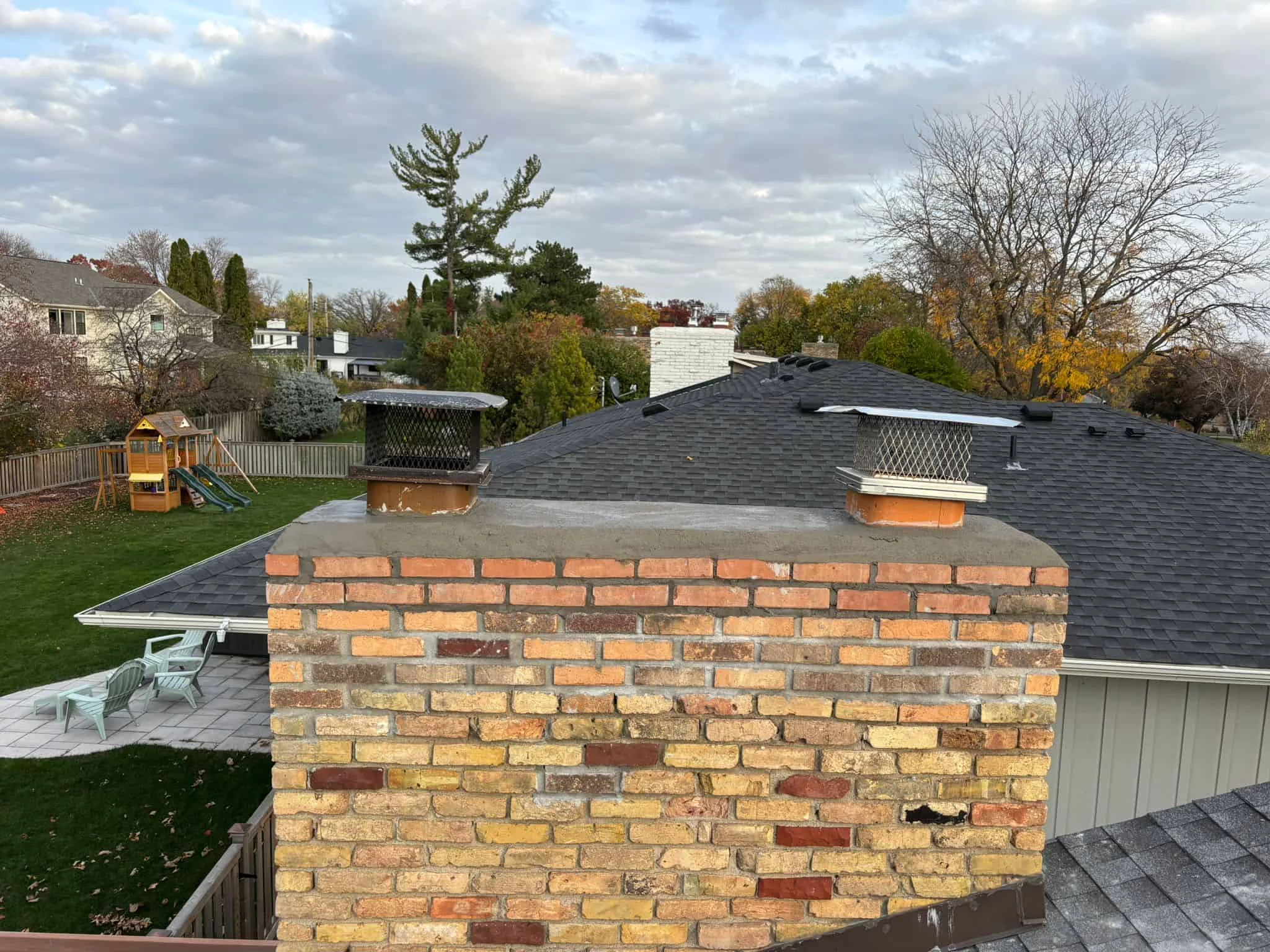
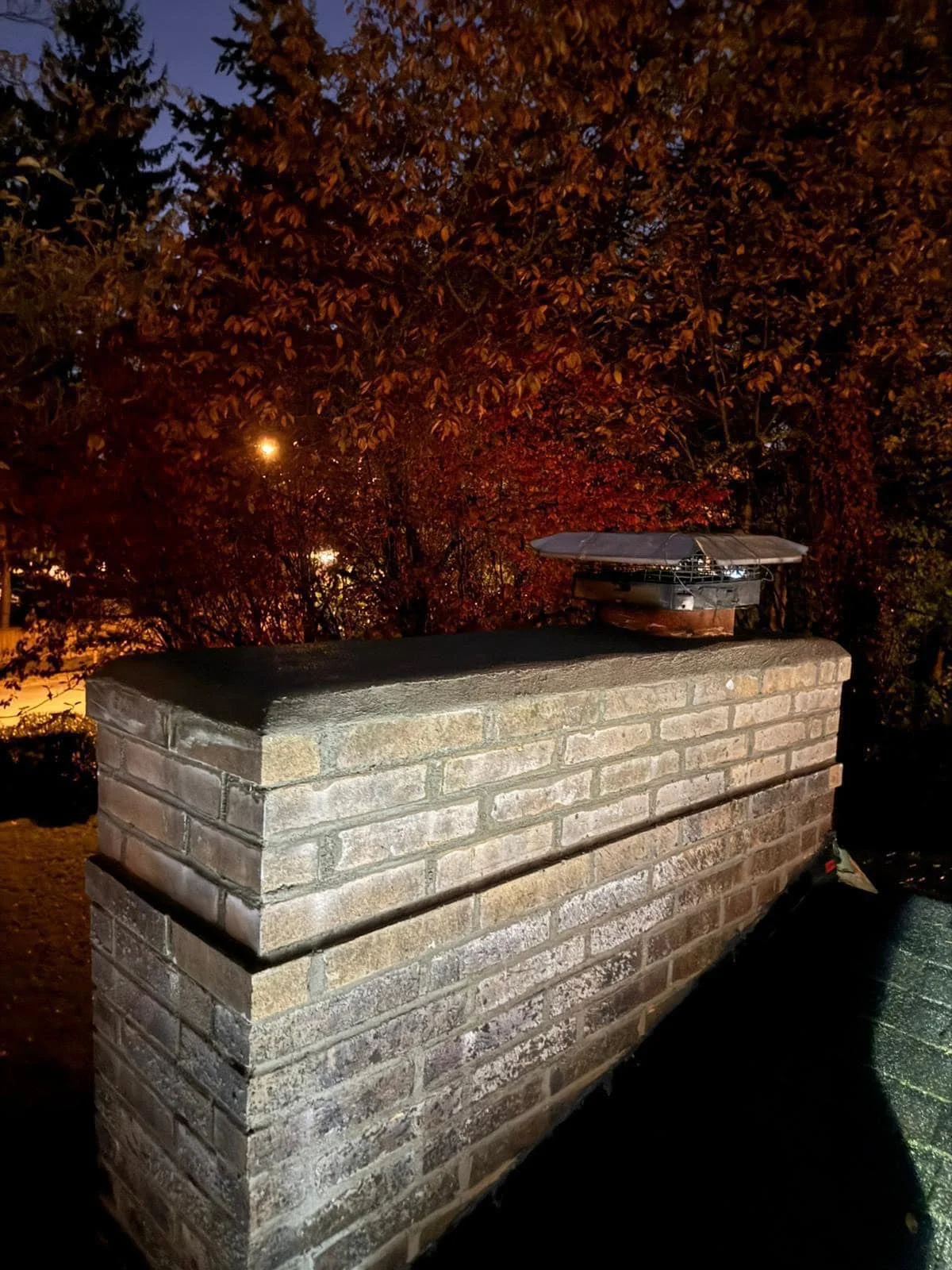
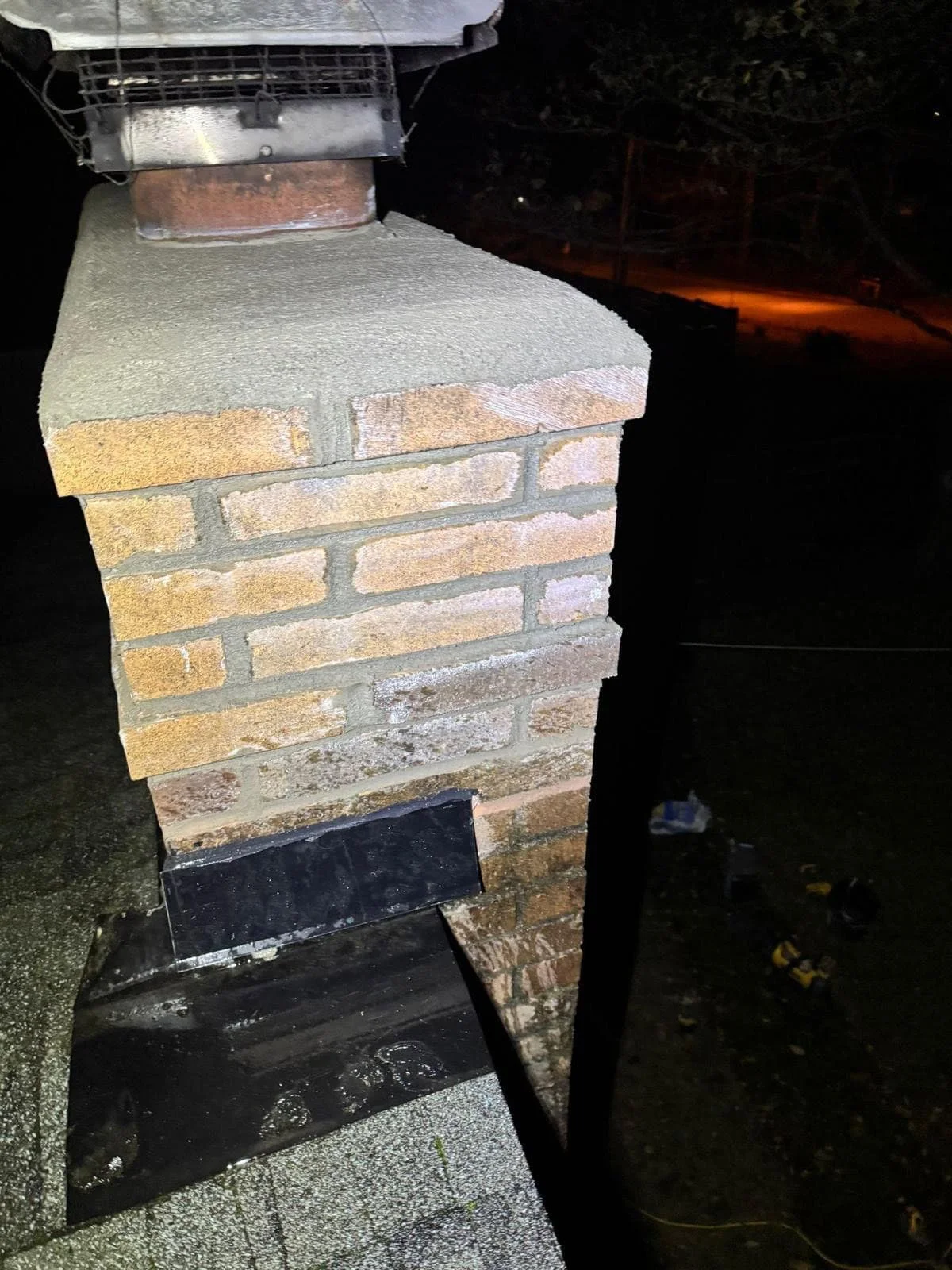
Chimney Liner Installation Projects
How Chimney Liner Installation Works in 3 Steps
Step 1: Inspection & Measurement
The technician begins by inspecting the existing flue to assess its condition and determine the proper liner size and material. We check for cracks, missing tiles, blockages, or improper dimensions. Accurate measurements ensure the liner fits correctly and supports optimal draft.
Step 2: Liner Installation
After determining the correct size, we install a stainless steel or aluminum liner designed for durability and high-temperature performance. The liner is carefully inserted down the chimney, secured at both ends, and connected to the heating appliance. Insulation may be added when required to improve safety and efficiency.
Step 3: Final System Testing
Once the liner is installed, we perform a full ventilation test to verify proper airflow and safe operation. We check for leaks, secure connections, and proper draft. If additional repairs or adjustments are needed, we provide recommendations to ensure long-term stability and safety.
Recommended Follow-Up Services
After liner installation, we often recommend: Chimney Cleaning — to remove debris that may impact airflow, and Chimney Inspection — to confirm long-term performance and detect any future issues. These services help ensure your chimney system remains safe and efficient.